
Medical Device Manufacturers: Key Aspects, Challenges, and Future Trends

The Medical Device Manufacturers plays a pivotal role in modern healthcare by providing tools and technologies that aid in the diagnosis, treatment, and management of various health conditions. Medical device manufacturers are the driving force behind this industry, responsible for designing, producing, and delivering devices that meet stringent safety and efficacy standards. This article explores the key aspects of medical device manufacturing, the challenges faced by manufacturers, and the future trends shaping the industry.
What is a Medical Device Manufacturer?
A medical device manufacturer is an organization that designs, produces, and markets medical devices used in the diagnosis, treatment, or monitoring of medical conditions. These devices range from simple items like tongue depressors and thermometers to complex instruments such as MRI machines and pacemakers.
Key Responsibilities of Medical Device Manufacturers:
- Design and Development: Manufacturers are responsible for designing medical devices that meet clinical needs and regulatory standards. This involves extensive research, prototyping, and iterative testing to ensure that the device is safe, effective, and user-friendly.
- Regulatory Compliance: Medical devices must comply with rigorous regulatory requirements set by health authorities such as the U.S. Food and Drug Administration (FDA), the European Medicines Agency (EMA), and other national regulatory bodies. Manufacturers must navigate complex regulations to obtain approval for their devices.
- Quality Assurance: Ensuring the quality and reliability of medical devices is crucial. Manufacturers implement quality management systems (QMS) such as ISO 13485 to manage every stage of the production process, from raw material sourcing to final product testing.
- Manufacturing and Production: Medical device manufacturers operate sophisticated production facilities where they utilize advanced technologies and adhere to strict protocols to produce devices that meet high standards of precision and safety.
- Post-Market Surveillance: After a device is launched, manufacturers are responsible for monitoring its performance, collecting feedback from users, and addressing any issues that arise. This involves conducting post-market studies and managing recalls if necessary.
Key Aspects of Medical Device Manufacturing
- Innovation and Technology:
- Research and Development: The medical device industry is driven by continuous innovation. Manufacturers invest heavily in R&D to develop cutting-edge technologies that improve patient outcomes. This includes advancements in materials science, robotics, and digital health solutions.
- Integration of Technology: Modern medical devices often incorporate advanced technologies such as artificial intelligence (AI), machine learning, and the Internet of Things (IoT) to enhance functionality and provide real-time data for better patient management.
- Regulatory Landscape:
- Regulatory Framework: Medical device manufacturers must navigate a complex regulatory landscape that varies by region. Regulations are designed to ensure that devices are safe and effective. For example, the FDA in the U.S. and the European Commission in Europe have specific guidelines for device approval and market entry.
- Compliance Challenges: Manufacturers face challenges in maintaining compliance with evolving regulations. They must stay updated with changes in regulatory requirements and adapt their processes accordingly.
- Quality Management Systems (QMS):
- ISO 13485: This international standard outlines the requirements for a QMS specific to the medical device industry. It covers aspects such as risk management, design controls, and process validation, ensuring that devices meet quality and safety standards.
- Continuous Improvement: Implementing a QMS involves ongoing monitoring and improvement. Manufacturers use tools such as Six Sigma and Lean methodologies to enhance process efficiency and product quality.
- Supply Chain Management:
- Raw Materials and Components: The quality of raw materials and components is critical to the performance of medical devices. Manufacturers must source high-quality materials and establish reliable supplier relationships to ensure device safety and efficacy.
- Global Supply Chain: Many medical device manufacturers operate on a global scale, requiring effective management of an international supply chain. This includes coordinating logistics, managing risks, and ensuring compliance with international regulations.
- Patient-Centric Design:
- User Experience: Designing medical devices with the end-user in mind is essential. This involves considering the needs of healthcare professionals and patients to ensure ease of use, comfort, and effectiveness.
- Accessibility: Manufacturers strive to make devices accessible to a broad range of users, including those in underserved regions or with limited resources. This involves designing cost-effective solutions without compromising quality.
Challenges Faced by Medical Device Manufacturers
- Regulatory Compliance:
- Evolving Regulations: Keeping up with changing regulations and standards can be challenging. Manufacturers must invest in regulatory expertise and adapt their processes to meet new requirements.
- Global Variability: Navigating the regulatory requirements of different countries can be complex. Manufacturers must ensure that their devices meet the standards of each market they enter.
- Innovation and R&D Costs:
- High Investment: Developing new medical technologies requires significant investment in R&D. Manufacturers must balance the costs of innovation with the need to achieve profitability.
- Risk of Failure: Not all R&D efforts lead to successful products. Manufacturers face the risk of investing in technologies that may not achieve market success.
- Supply Chain Disruptions:
- Raw Material Shortages: Disruptions in the supply of raw materials or components can impact production schedules and device availability.
- Logistical Challenges: Managing a global supply chain involves navigating logistical complexities, including transportation delays and customs regulations.
- Quality Assurance and Control:
- Maintaining Standards: Ensuring consistent quality across all stages of production is a challenge. Manufacturers must implement rigorous quality control measures to prevent defects and ensure device reliability.
- Post-Market Surveillance: Monitoring device performance and addressing issues in the post-market phase requires ongoing effort and resources.
- Cybersecurity:
- Data Protection: As medical devices become more connected, manufacturers must address cybersecurity concerns. Protecting sensitive patient data and ensuring device security are critical for maintaining trust and compliance.
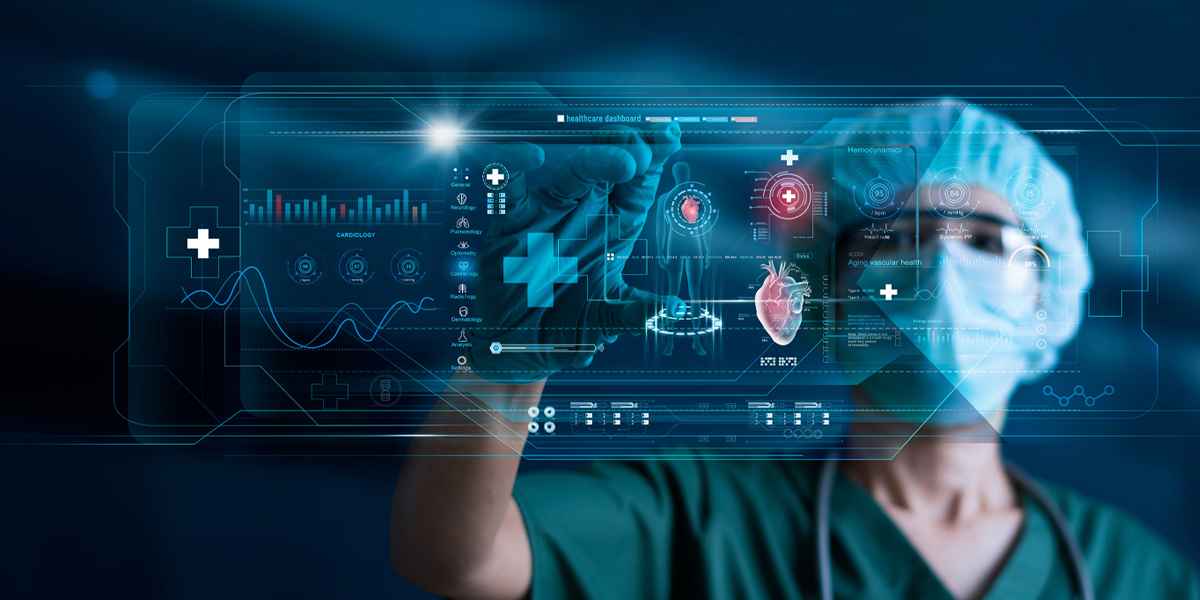
Future Trends in Medical Device Manufacturing
- Digital Health Integration:
- Telemedicine: The rise of telemedicine is driving the development of devices that enable remote monitoring and consultations. Manufacturers are integrating digital health solutions to enhance patient care and accessibility.
- Wearable Technology: Wearable devices that monitor health metrics in real-time are gaining popularity. These devices provide valuable data for both patients and healthcare providers.
- Artificial Intelligence and Machine Learning:
- Enhanced Diagnostics: AI and machine learning are being used to improve diagnostic accuracy and predict patient outcomes. Manufacturers are developing devices that leverage these technologies for more precise and personalized care.
- Automation: AI-driven automation is streamlining manufacturing processes, improving efficiency, and reducing human error.
- Personalized Medicine:
- Tailored Solutions: Advances in genomics and personalized medicine are leading to the development of devices tailored to individual patient needs. Manufacturers are creating solutions that provide customized treatment options based on genetic and other personal factors.
- Sustainability and Environmental Impact:
- Eco-Friendly Materials: There is a growing emphasis on using sustainable materials and reducing the environmental impact of medical devices. Manufacturers are exploring eco-friendly options and implementing practices to minimize waste.
- Regulatory Evolution:
- Harmonization: Efforts to harmonize regulations across regions are expected to simplify the approval process for medical devices. Manufacturers will benefit from more streamlined regulatory pathways and reduced market entry barriers.
Conclusion
Medical device manufacturers are at the forefront of advancing healthcare through innovation and technology. Their responsibilities encompass the entire lifecycle of medical devices, from design and development to production and post-market surveillance. While they face challenges such as regulatory compliance, innovation costs, and supply chain disruptions, the industry continues to evolve with emerging trends in digital health, AI, and personalized medicine. By staying ahead of these trends and addressing challenges proactively, medical device manufacturers will play a crucial role in shaping the future of healthcare and improving patient outcomes globally.